



DTA 컨트롤러는 Yamaha 데스크탑 오디오 시스템 선택 기능이 향상되었습니다.
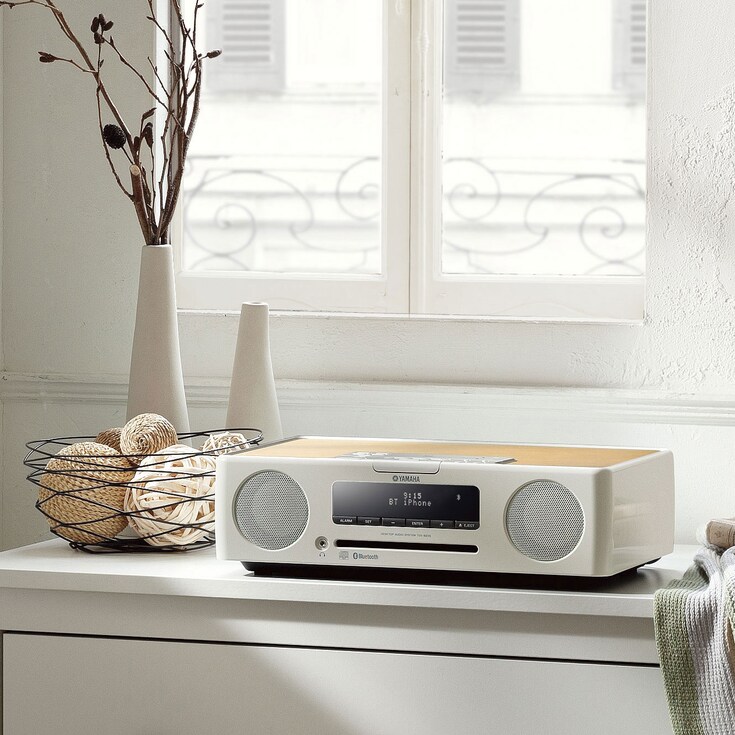
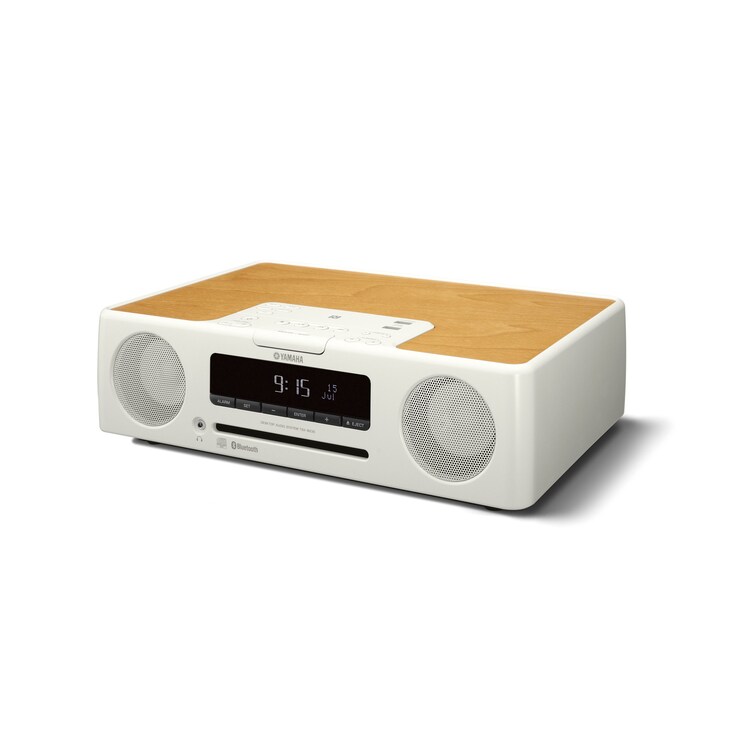
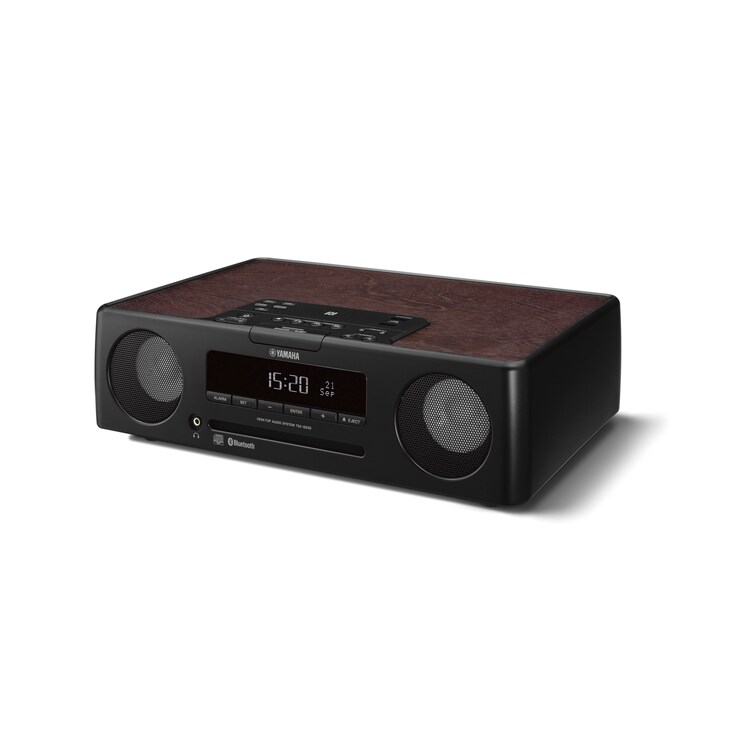
색상/마감
야마하 TSX-B235의 부드럽고 둥근 형태와 천연 나무로 만든 상판은 평온하고 따뜻함을 제공합니다. 당신이 원하는 시간에 원하는 방식으로 CD, 블루투스, USB 드라이브, 스마트폰의 음악을 즐길 수 있습니다. 오디오와 인테리어의 완벽한 하모니: 차분한 휴식을 경험해 보세요.

Calming design, serene sound
라이프스타일에 맞춘 디자인
당신은 TSX-B235의 부드럽고 자연스러운 디자인을 좋아할 것입니다. 상단의 표면은 천연 나무 패널로 안경이나, 개인 액세서리를 놓기에 완벽합니다.
편리함을 더한 디자인
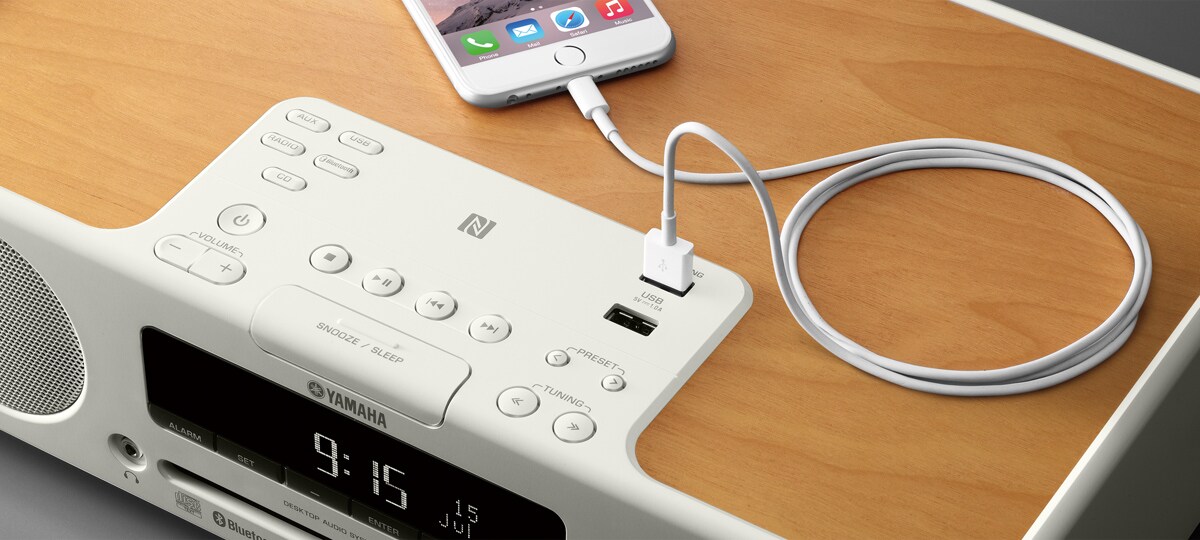
TSX-B235는 2개의 USB 포트를 제공합니다. 하나는 음악재생용이고, 다른 하나는 충전전용 포트입니다. TSX-B235가 대기모드(전원 Off)인 경우에도 두 포트를 통해 기기를 충전할 수 있습니다. 그것은 아름답고 기능적인 디자인입니다.
* USB 연결은 앱 또는 본체 조작에 사용할 수 없습니다.
고음질 블루투스 재생
블루투스 기능을 통해 스마트폰 또는 태블릿에 저장된 음악을 무선으로 재생할 수 있습니다. 특히, TSX-B235는 aptX와 AAC 코덱을 지원하며, 블루투스를 통해 오디오 신호의 전 대역을 재생합니다. 또한, NFC와 호환되어 지원 기기를 자동으로 페어링 할 수 있습니다.
전용 앱을 통해 음악과 더 가까워집니다.
기기의 조작은 단순함 그 자체입니다. 야마하의 무료 DTA 컨트롤러 앱으로, 스마트폰이나 태블릿을 통해 완벽하게 조작할 수 있습니다. 전원, 볼륨, 톤 등의 조작은 직관적인 인터페이스를 제공하여 모든 기능을 쉽고 편리하게 조작할 수 있습니다.
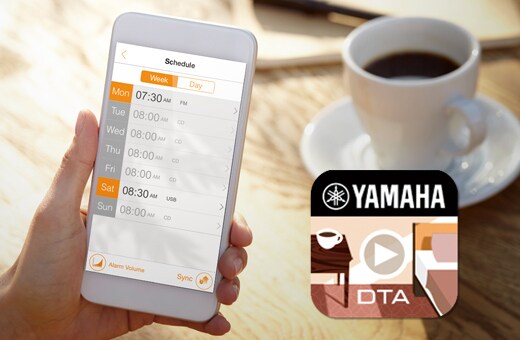
앱
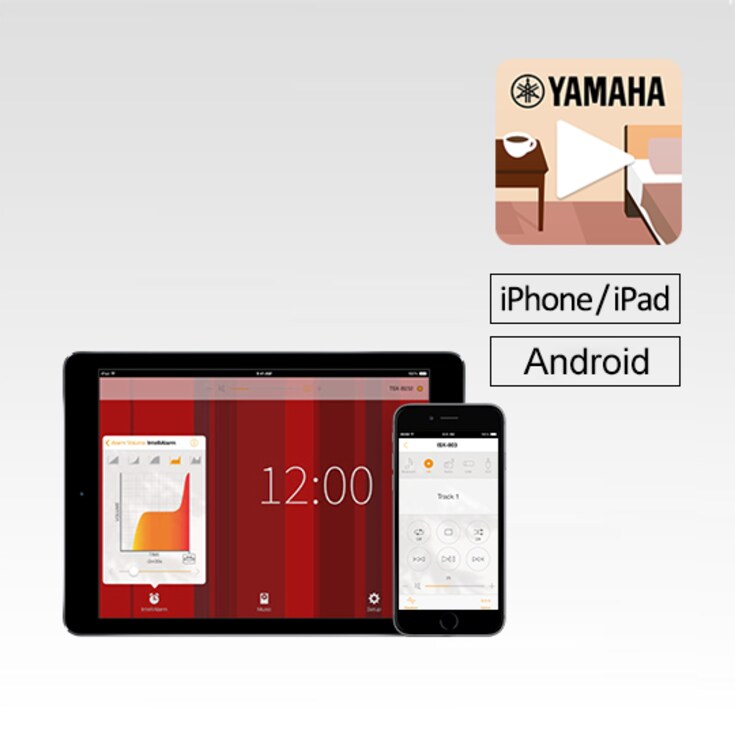
IntelliAlarm

Ease into your day with a new approach to waking up.
Yamaha's new IntelliAlarm wakes you gently with the audio source of your choosing, first filtering out uncomfortable high frequencies, then gradually restoring the full audio spectrum before beeping to ensure you are awake.
This function makes waking experience as comfortable as possible.

Research report (English)
We have studied the effect of IntelliAlarm vs normal beep sound.
The research was done under contribution of Department of Medical Informatics, Tokyo Medical and Dental University Graduate School.
- Participants were awakened both IntelliAlarm and beep, after naps of 30, 60, 90 and 120 minutes for a total of 8 times. Subjective feelings just after awakening were measured with three psychological questionnaires. The differences between the subjective data with music and with an alarm tone were calculated and analyzed. The results indicate that awakening with IntelliAlarm was more comfortable than awakening with beep.
You can read the actual report from here.
Effect of Music upon Awakening from Nap

Yuki TANAKA
Yuki Tanaka was born in Oita, Japan, on November 9, 1981. She received a Bachelor of Engineering degree from Tokai University, Japan, in 2005, and a Master of Engineering from Tokai University, Japan in 2007. Since April 2007, she has been a Ph.D. student at Tokyo Medical and Dental University Graduate School, Department of Medical Informatics.
She studied piano in Japan under the pianist Toshie Nakashima since 1985, when she was 4 years old. She participated in piano contests, including the Student Music concours of Japan, Tosu City Hupfer Memorial Piano Concours, International Chopin Piano Competition in ASIA, the Oita Eisteddfod piano section, and the youth section of the Takahiro Sonoda Prize International Piano Contest. And she has received several prizes, including a prize for encouragement at the An die Musik Piano contest in 2009.
She is a part-time teacher at Nippon University (from 2008) and Kitazato University (from 2007). Her current research interests are “Music Therapy for Dementia Patients: Tuned for culture difference” and the “Effect of music upon awakening for comfortable awakening.”
She received the Nobuko Matsumae prize for encouragement of the Shigeyoshi Matsumae Memorial Fund from the Educational Foundation of Tokai University in 2005.
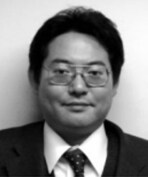
Hiroki NOGAWA
Hiroki Nogawa was born in Osaka, Japan in 1966. He graduated from Osaka University Medical School and received his Medical License in 1990. He worked as a surgical resident at Osaka University Hospital from June 1990 to June 1991 and at Kure National Hospital from July 1991 to June 1993. He received a doctorate in Internal Medicine from Osaka University in 1997. He was an Assistant Professor at Sapporo Medical School from April 1997 to June 1999 and a Lecturer at Sapporo Medical School from July 1999 to July 2000. He was a Lecturer in the Cybermedia Center at Osaka University from August 2000 to June 2004 and a Visiting Professor at Tokyo Medical and Dental University from August 2004 to July 2008. Since August 2008, he has been a Fellowship Researcher at the Japanese Medical Information Network Association.
He received the Kusumoto Award from Osaka University in 1990 and the Award of Advanced Infrastructure Technologies from the Award Committee of the Gigabit Network Symposium in 2004.
His current research interests are internet security technology, public policy on information and communication technologies (including medical informatics), sociolegal and technological issues (including copyright issues), and the physiological effects of music on the brain.
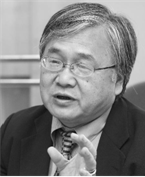
Hiroshi TANAKA
Hiroshi Tanaka was born in Tokyo, Japan in 1949. He received a Bachelor of Engineering degree from Tokyo University, Japan, in 1974 and a Master of Engineering degree from the Graduate School of Engineering, Tokyo University, Japan, in 1976. He received a Doctor in Medical Science degree from the Graduate School of Medicine, Tokyo University, Japan, in 1981 and a Ph.D. from the Graduate School of Engineering, Tokyo University, Japan, in 1983.
He was an Assistant Professor at the Institute for Medical Electronics in the School of Medicine of Tokyo University from 1982 to 1987, a Visiting Scientist at Uppsala University and Linkoping University in Sweden from 1982 to 1984, an Associate Professor at Hamamatsu University School of Medicine from 1987 to 1991, and a Visiting Scientist in the MIT Laboratory of Computer Science in 1990. He became a Full Professor of Bioinformatics at Tokyo Medical and Dental University in 1991 and has been the Dean of the Biomedical Science PhD Program of Tokyo Medical and Dental University since 2006.
He received an award for his achievements in information and communication technology from the Ministry of Internal Affairs and Communications in 2008.
His current research interests are medical informatics, systems biology, systems pathology, and clinical bioinformatics.
* 사양은 사전 공지 없이 변경될 수 있습니다. 표시된 색상 및 마감은 실제 제품과 다를 수 있습니다.
